


When it comes to keeping your food and drinks cool, two popular options are cooler bags and cooler boxes. As a cooler bag supplier, I often get asked about the differences between these two types of coolers. In this blog post, I'll explore the key distinctions between cooler bags and cooler boxes, helping you make an informed decision for your cooling needs.

Design and Portability
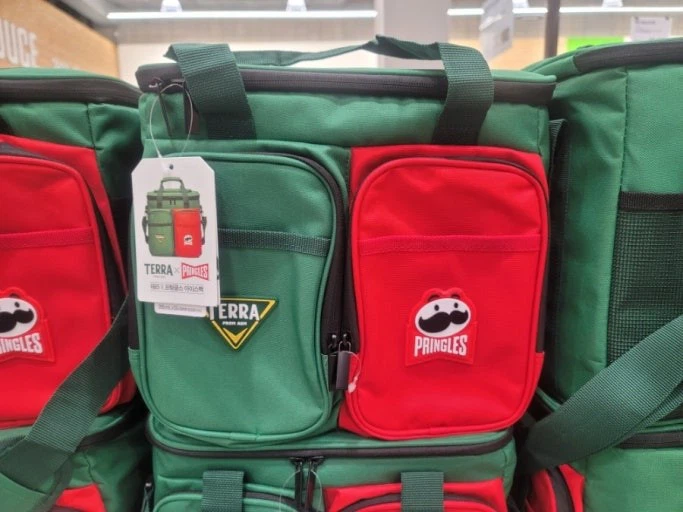
One of the most noticeable differences between cooler bags and cooler boxes lies in their design and portability. Cooler bags are typically made from soft, flexible materials such as nylon, polyester, or PVC. They come in a variety of shapes and sizes, including tote bags, backpacks, and lunch boxes. The soft construction of cooler bags makes them lightweight and easy to carry, whether you're heading to the beach, a picnic, or a sports event.
For example, our Insulated Soft Cooler Tote is designed for maximum portability. It features a comfortable shoulder strap and a spacious interior, making it perfect for carrying your drinks and snacks on the go. The soft material also allows the bag to be easily folded and stored when not in use, saving you valuable space.
On the other hand, cooler boxes are usually made from rigid materials like plastic or metal. They have a more structured and sturdy design, which provides better protection for your items. Cooler boxes often come with handles or wheels for easy transportation, but they can be heavier and bulkier than cooler bags. While they are great for longer trips or when you need to transport a large quantity of items, they may not be as convenient for everyday use.
Insulation and Cooling Performance
Another important factor to consider is the insulation and cooling performance of cooler bags and cooler boxes. Insulation is crucial for keeping your food and drinks cold for an extended period. Cooler bags typically use a combination of insulating materials, such as foam or reflective lining, to reduce heat transfer. The quality of insulation can vary depending on the brand and price of the bag.
Our Basketball Coolbag is equipped with high - quality insulation that can keep your beverages cold for several hours. The bag's design also helps to minimize air circulation, further enhancing its cooling efficiency.
Cooler boxes, on the other hand, generally have thicker and more effective insulation. The rigid walls of the box provide a better barrier against heat, allowing them to maintain a lower temperature for a longer time. Some high - end cooler boxes are even designed with advanced insulation technologies, such as vacuum insulation panels, which can keep ice frozen for days. However, this also means that cooler boxes tend to be more expensive than cooler bags.
Capacity and Storage
Capacity is an important consideration when choosing between a cooler bag and a cooler box. Cooler bags come in a wide range of sizes, from small lunch - sized bags to large capacity totes. They are suitable for storing a moderate amount of food and drinks, making them ideal for individual use or small groups.
Our Big Lunch Box Cooler offers a generous amount of storage space while still being compact enough to carry around. It has multiple compartments and pockets, allowing you to organize your items neatly.
Cooler boxes, on the other hand, are available in larger sizes and can hold a significant amount of food and drinks. They are often used for family outings, camping trips, or events where you need to store a large quantity of perishables. The rigid structure of cooler boxes also provides more stable storage, preventing items from shifting or getting crushed.
Durability and Maintenance
Durability is an important aspect to consider, especially if you plan to use your cooler frequently. Cooler bags are generally less durable than cooler boxes due to their soft materials. They may be more prone to tears, punctures, and wear and tear over time. However, many high - quality cooler bags are made from rugged materials and reinforced stitching, which can withstand regular use.
Cooler boxes, with their rigid construction, are more durable and can withstand rough handling. They are less likely to be damaged by impacts or being dropped. Maintenance is also relatively straightforward for cooler boxes. You can simply wipe them down with a damp cloth to clean them. Cooler bags may require more careful cleaning, especially if they have fabric interiors.
Cost
Cost is often a deciding factor for many consumers. Cooler bags are generally more affordable than cooler boxes. They offer a cost - effective solution for keeping your items cool, especially if you only need a cooler for occasional use. You can find a good quality cooler bag at a reasonable price, making it accessible to a wide range of customers.
Cooler boxes, on the other hand, tend to be more expensive due to their better insulation, larger capacity, and more durable construction. High - end cooler boxes with advanced features can be quite costly, but they are a worthwhile investment if you need long - term, heavy - duty cooling.
Conclusion
In conclusion, both cooler bags and cooler boxes have their own advantages and disadvantages. Cooler bags are lightweight, portable, and affordable, making them a great choice for everyday use and small - scale outings. Cooler boxes, on the other hand, offer better insulation, larger capacity, and greater durability, making them suitable for longer trips and larger groups.
As a cooler bag supplier, I offer a wide range of high - quality cooler bags to meet your diverse needs. Whether you're looking for a stylish tote for a day at the park or a functional lunch box for work, we have the perfect solution for you.
If you're interested in purchasing our cooler bags or have any questions about our products, please feel free to contact us. We're always happy to assist you in finding the right cooler for your needs. Our team of experts can provide you with detailed information and help you make an informed decision. Let's start a conversation and find the best cooler bag solution for you!
References
- "Cooler Buying Guide" by Consumer Reports
- "Insulation Materials for Coolers" - Journal of Thermal Science and Engineering Applications
- "Portable Cooling Solutions: A Comparative Analysis" - International Journal of Consumer Goods Research